
Patch Test Before Hair Colour: A Policy Every Salon Needs
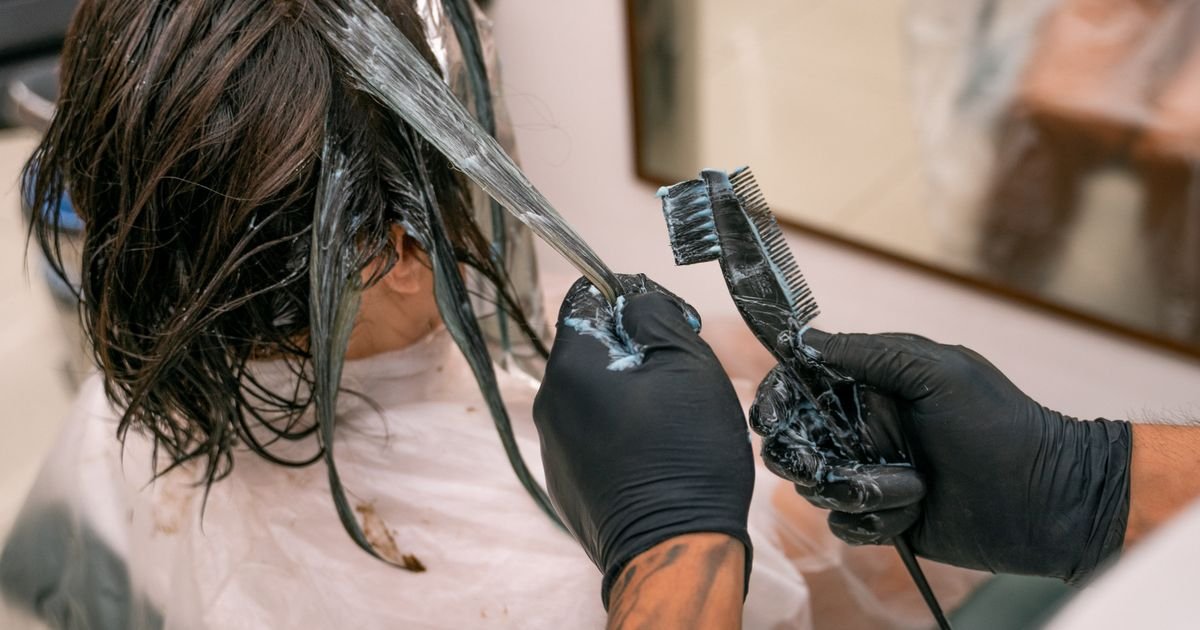
Most hair colour goes on without a problem. That’s exactly why the one time it doesn’t is such a shock: a client who has coloured her hair for ten years can develop an allergy to a dye ingredient (PPD and similar chemicals are the usual suspects) and react badly on the next visit. Itching, redness and swelling on the scalp and face are common signs. Severe reactions are rare, but they are real, and they’re frightening to see in your chair.
A patch test is how you catch it early. It costs almost nothing. Skipping it can cost a lot.
What a patch test is
You apply a tiny amount of the actual colour mix to a small area of skin (behind the ear or the inside of the elbow are the usual spots), let it dry, and leave it alone. The client watches the area for the next 48 hours. If anything itches, burns, reddens or swells, she washes it off, doesn’t colour, and sees a doctor if it’s more than mild. No reaction after 48 hours means it’s generally fine to go ahead.
Follow your colour brand’s own instructions on timing and method. Some brands, and some local regulations, are specific about this.
When to do it
- Every new client having permanent or semi-permanent colour, before the first colour service.
- Every regular client again, at a sensible interval or whenever the product changes. Allergies can appear later in life.
- Anyone with a history of skin reactions, eczema on the scalp, or past hair-dye trouble. Ask every time.
The conversation that goes wrong
This is the part owners dread. A client who’s booked at 4 pm for a wedding tomorrow doesn’t want to hear “come back in two days.” Some will say, “I’ve done it before, it’s fine.” Here’s a calm way to handle it:
- Explain that it’s a safety rule, not a sales trick: “Allergies can appear at any time, even if you coloured last month.”
- Offer a way forward: book the patch test now (it takes two minutes) and the colour for after the 48 hours.
- If she still refuses, don’t argue. Ask her to sign a short note that she was offered a patch test and declined, or decline the colour yourself. Many salons choose the second option, and that’s a perfectly respectable policy.
A short policy you can copy
| Policy wording (adapt to your salon) |
|---|
| For your safety we offer a skin patch test at least 48 hours before any permanent or semi-permanent hair colour. We recommend it for every client, and we need it for first-time clients and anyone who has had a reaction before. If you decline the test, we may not be able to colour your hair, or we will ask you to sign that you understand the risk. |
Put the wording on your booking confirmation, on the wall near the colour station and in the message you send when she books colour.
Write it down
A patch test you can’t prove you did is not much use. For every test, note the date, the product, where you applied it and the result. Add any allergies she mentions. In Salonipy, the Beauty Record screen keeps allergies, patch tests, colour formulas and before-and-after photos against the client, so the next stylist sees it all without asking again. It’s also handy for the colour formula, so she gets the same shade next time.
If there is a reaction
Stop, remove the product, rinse the area and get medical help for anything beyond mild irritation. Severe swelling, trouble breathing or a spreading rash means an emergency. A salon owner’s job is to react calmly, keep notes and never push on. This page is general guidance, not medical advice.
Related: How to do a keratin treatment · Consultation questions · Pricing colour by length