
How to Do a Keratin Treatment: A Salon Owner's Guide
Keratin is a lovely service to sell. The result is obvious the moment the client looks in the mirror, it lasts for months, and the price tag is high enough to matter. It’s also a service where a rushed job shows up a week later as frizz, flat roots or a very unhappy phone call.
One thing before we start: every keratin product on the market has its own instructions, and they really do differ, in how long you leave it on, whether you rinse, how hot the iron should be. What follows is the general shape of the service. Your product’s leaflet beats this page every time.
1. Consult first, and look at the hair properly
Ten minutes here saves you an hour of trouble. Ask what she’s used on her hair in the last year. Bleach, henna, a rebonding done two years ago: all of it matters. Feel the hair when it’s dry. If it stretches and snaps, or feels like wet cotton, it needs conditioning treatments first, not a keratin.
Be honest about what the service does. A keratin smooths and reduces frizz. It doesn’t make curly hair pin-straight (that’s a different service), and it won’t make thin hair thick. Clients who hear this on day one are the ones who send their friends.
Write down the hair history. A line in her client record takes ten seconds and tells the next stylist exactly what happened.
2. Prepare the room and yourself
Some smoothing products release fumes when they’re heated. Whatever the label says, treat the room as if they do: open a window or use an extractor fan, wear gloves and a mask, and don’t do this service squeezed into a corner with no airflow. Keep other clients out of the room while the iron is working. This isn’t fuss. It protects you and your team over years of doing the service.
3. Wash with a clarifying shampoo
The hair needs to be clean of product and oils so the treatment can sit evenly. Most brands want a clarifying (deep-cleansing) shampoo, two or three washes, and no conditioner. Rough-dry with a towel and then a blow-dryer until the hair is damp rather than wet. Check what your product asks for, because some want it nearly dry.
4. Section and apply
Divide the hair into four sections. Work in thin, even layers and apply with a brush, staying about a centimetre away from the scalp. Product on the scalp is how clients get irritation. Comb through each layer so the product is even from mid-length to ends, where the hair needs it most.
Then leave it for the time your brand says. This is a good moment to wash your hands, clean your station and take a breath.
5. Dry completely, then seal with the iron
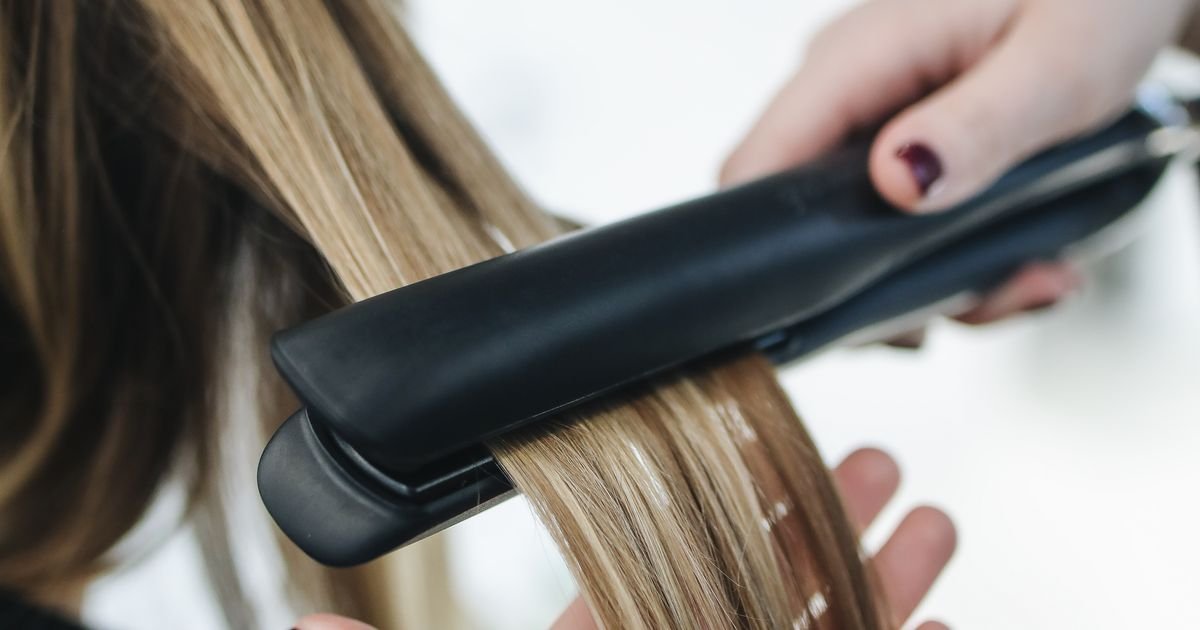
The hair has to be fully dry before the iron touches it. Damp hair plus a hot iron is how you damage it. Blow-dry with a round brush or comb until there’s no moisture left, then use a flat iron on thin sections (a centimetre or two wide) at the temperature your product recommends. Several slow, even passes beat one hard pass. Keep the iron moving and keep sections small.
6. The after-instructions matter as much as the service
Depending on the brand, the client may need to keep her hair untied and dry for a couple of days, or you may rinse it out before she leaves. Either way, tell her clearly, in writing if you can (a WhatsApp message works well). The standard advice afterwards:
- Switch to sulfate-free, salt-free shampoo. Harsh shampoo strips the treatment faster.
- Avoid chlorinated pools and sea water for the first weeks.
- Use a heat protectant when she styles.
- Book a touch-up. Keratin fades gradually and most clients return every few months.
What to charge
Keratin is priced by hair length and thickness, not a flat fee. A shoulder-length client and a waist-length client can use three times the product. Add up the product for that client, the stylist’s time (it’s often three hours or more, so be realistic) and the commission, then add your margin. Our service profit calculator does the sum, and this length-based pricing example works the same logic on colour.
Two tips from owners who’ve done this a lot: list “from” prices with the length bands, and take a small advance when the client books, because it’s a long slot and an empty one hurts.
Bring them back on time
The easiest repeat revenue in your salon is the client who got keratin three months ago. In Salonipy, the Due Again screen lists clients who are due for keratin, colour, facials and similar services, so you can message them on WhatsApp instead of waiting to remember. The Beauty Record keeps her hair notes and photos in one place for her next visit.
Related: Service profit calculator · Pricing colour by length · Client retention